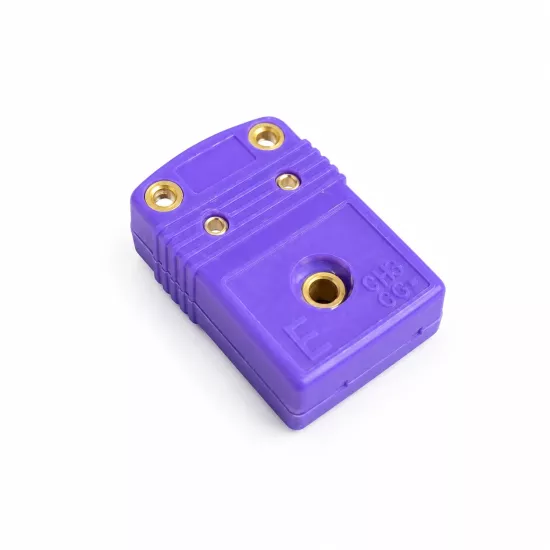
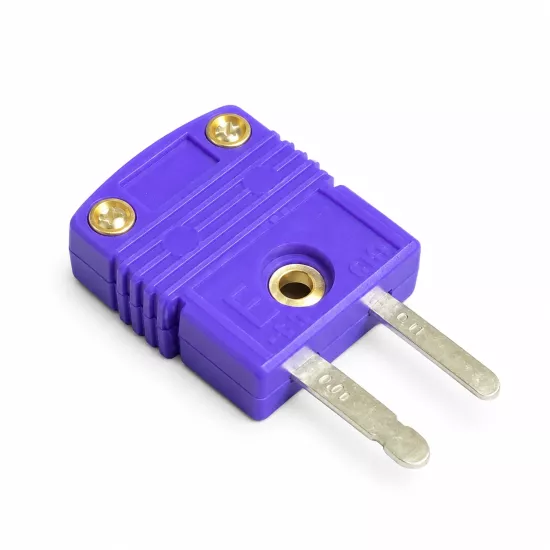
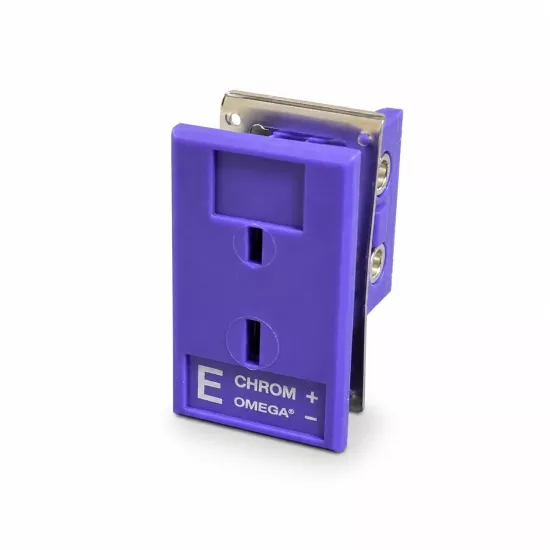
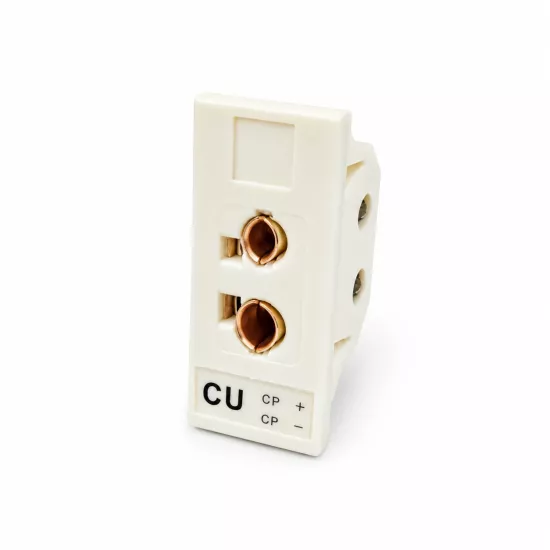
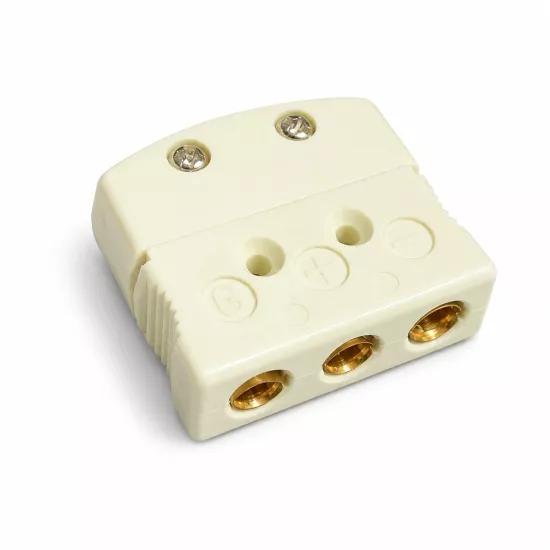
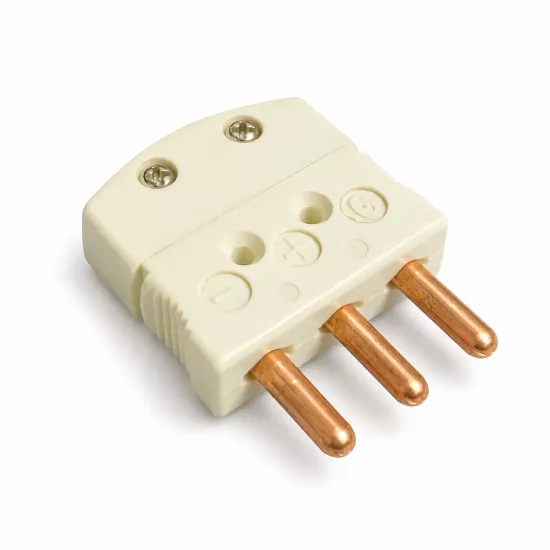
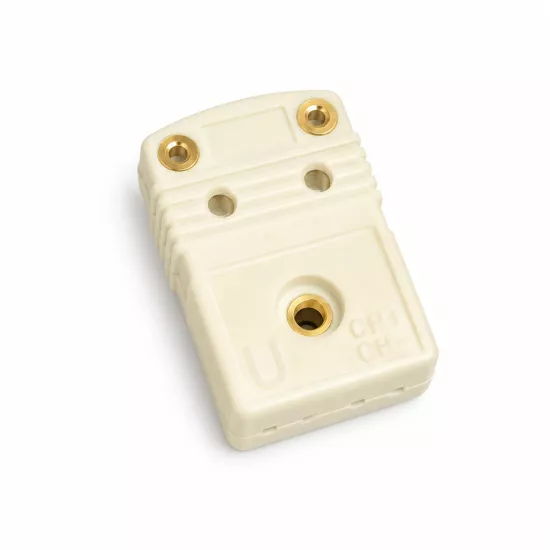
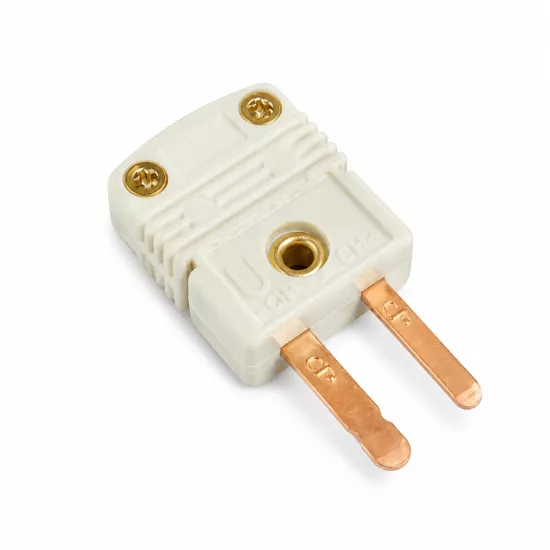
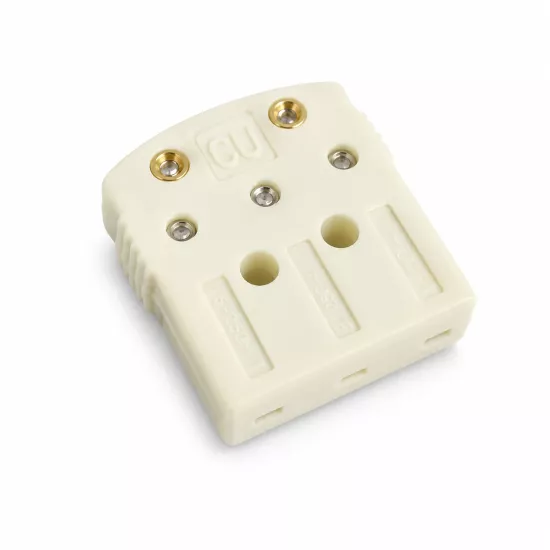
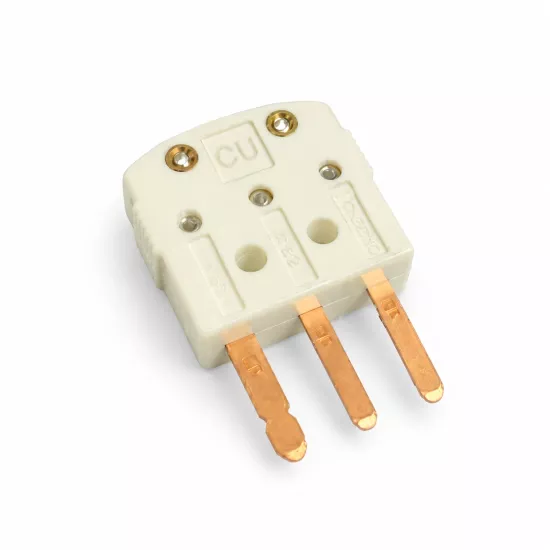
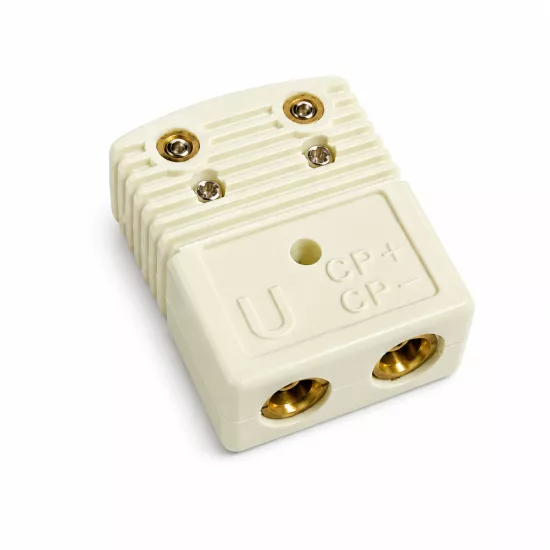
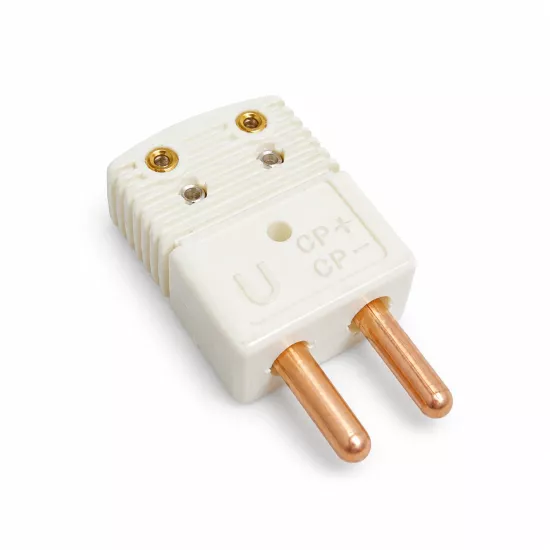
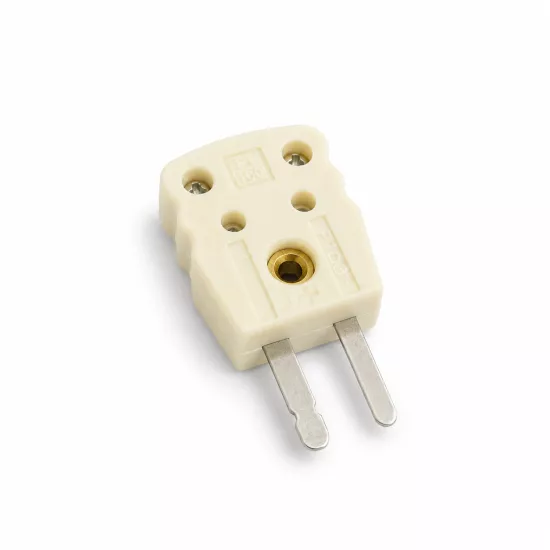
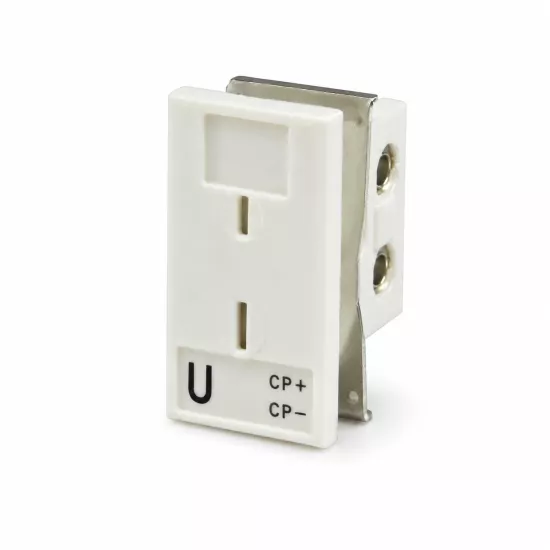
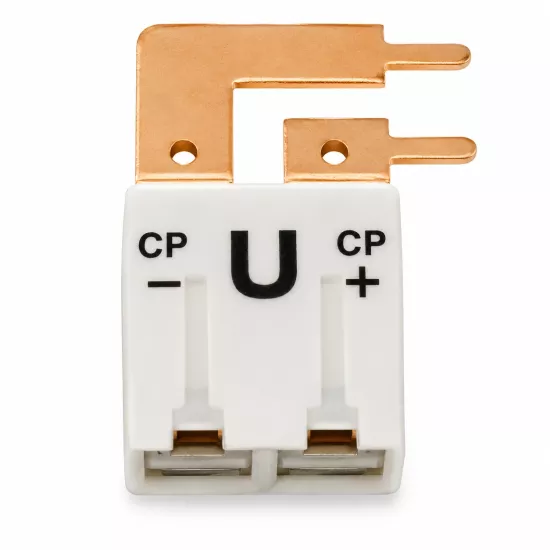
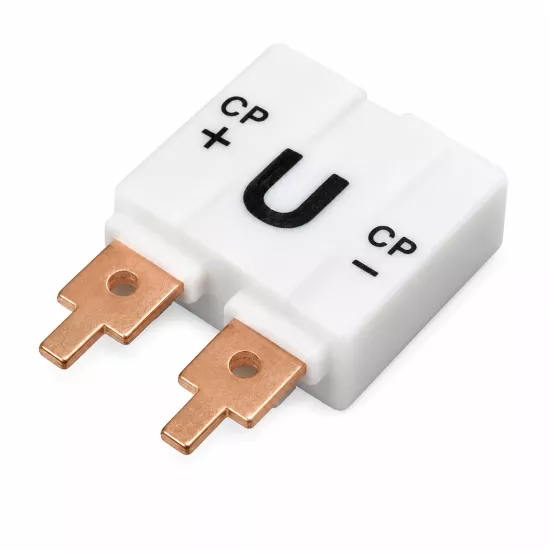
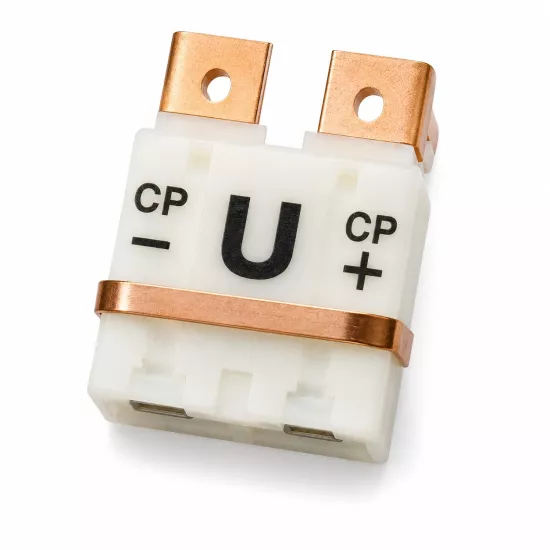
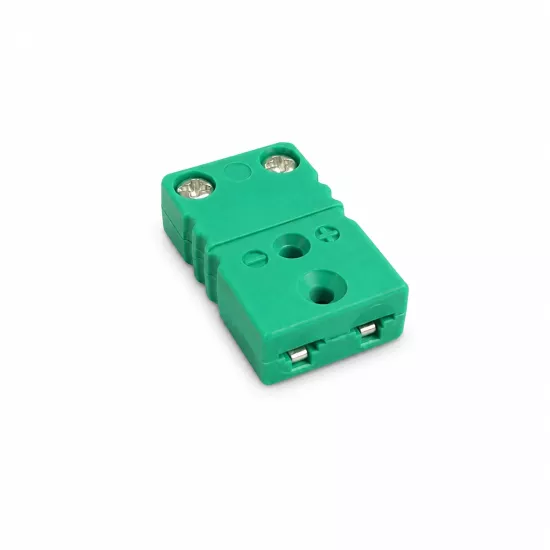
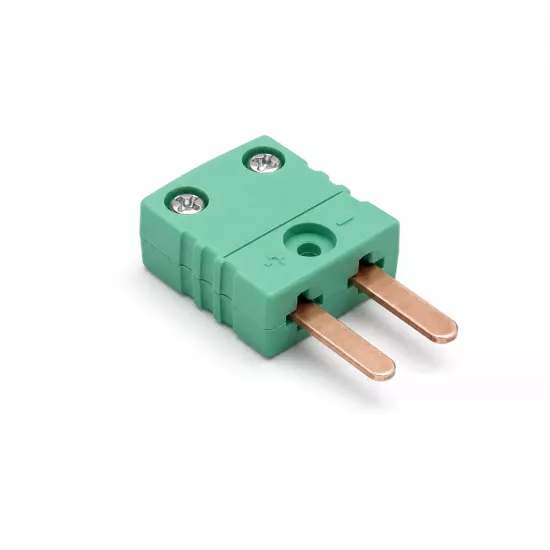
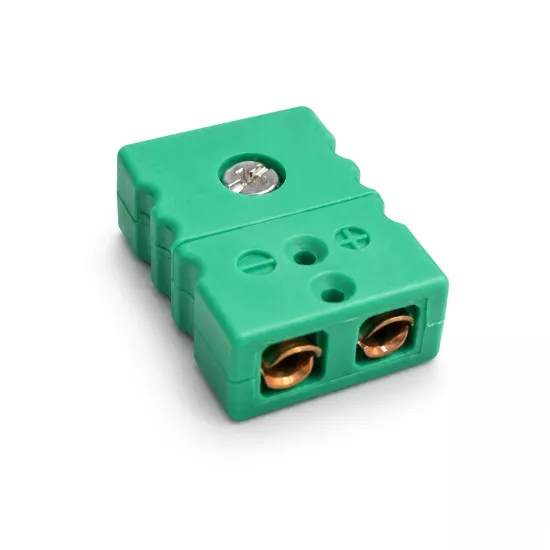
Thermocouple connectors are technical connection components used to create safe, organized and removable connections between temperature sensors, extension cables, measuring instruments, control panels and test systems. This category includes male, female, set, panel mount and socket solutions suitable for K, J, T, E, N, R/S, S and B type thermocouple circuits.
In thermocouple connections, the connector type must match the sensor type used in the measurement circuit. K type connectors should be used for K type thermocouples, J type connectors for J type thermocouples, T type connectors for T type thermocouples, N type connectors for N type thermocouples, E type connectors for E type thermocouples, and suitable connectors should be selected for R/S or B type applications. Choosing the wrong connector type is not suitable in terms of connection standard and measurement line compatibility.
This category offers one of the most comprehensive product ranges in Turkey for thermocouple and RTD connection components. It includes K, J, T, E, N, R/S, S and B type thermocouple connection products, RTD / PT100 / PT1000 sockets and different mounting forms. Miniature, standard, ceramic, OMEGA, Taiwan model, cable clamp, panel mount, PCB type, male, female, set and multi-pin connection options allow users to select suitable connection components for different temperature measurement systems.
2-pin and 3-pin connection products for RTD, PT100 and PT1000 temperature sensors are also included in this category. This makes it possible to review different body types, pin structures, mounting styles and connection forms required for thermocouple and RTD sensor connections under the same category.
When selecting a thermocouple connector, the thermocouple type used in the system should be determined first. NiCr-Ni is used in K type connections, Fe-Const in J type connections, Cu-Const in T type connections, Cr-Const in E type connections, Nicrosil-Nisil in N type connections, and platinum-rhodium based thermocouple structures are used in R/S and B type connections. The connector should be selected according to the thermocouple type and the connection standard used in the application.
| Thermocouple Type | General Use |
| K Type | General industrial temperature measurement applications, furnaces, panels, test systems and process control systems |
| J Type | Machinery, process, panel and temperature control applications |
| T Type | Low and medium temperature measurement applications, laboratory and test systems |
| E Type | Industrial temperature measurement lines and sensitive measurement applications |
| N Type | Industrial temperature measurement, furnace and process control applications |
| R/S and B Type | High-temperature measurement lines, furnaces, heat treatment and laboratory applications |
| RTD / PT100 / PT1000 | RTD sensor connections that measure temperature based on resistance change |
Male plug and female socket structures are used together in thermocouple and RTD connections. The matching of male and female connectors creates a fast, removable, organized and serviceable connection point in temperature sensor lines. Connector sets provide a practical solution in applications where compatible male and female parts need to be selected together.
Panel mount sockets provide easier access to the sensor line in test systems, calibration panels, control devices, machine panels and industrial automation applications. This structure helps keep the connection point more organized during maintenance, testing and sensor replacement.
In addition to thermocouple connection products, this category also includes connection components used for RTD, PT100 and PT1000 sensors. RTD sensors are precision temperature sensors that measure temperature based on resistance change. For PT100 and PT1000 applications, the sensor cable structure, pin count and measurement device input type should be evaluated together.
2-pin RTD connectors are generally used in 2-wire PT100 / PT1000 connections, while 3-pin RTD connectors are preferred for 3-wire RTD connections. For different connection structures, the measuring device input and sensor cable structure should be checked.
Selecting a connector is not only about choosing male or female connection type. Sensor type, thermocouple alloy, connection standard, body form, pin count, mounting style and the input type of the device should be evaluated together.
| Selection Criteria | Point to Check |
| Sensor type | Thermocouple, RTD, PT100 or PT1000 connection should be determined. |
| Thermocouple type | A connector suitable for K, J, T, E, N, R/S, S or B type connection should be selected. |
| Connection structure | Male, female, set, panel socket, PCB socket or dual connection requirement should be determined. |
| Body form | Miniature, standard, ceramic, OMEGA, Taiwan model or cable clamp structure should be selected according to the application. |
| RTD pin count | 2-pin or 3-pin structure for PT100 / PT1000 connections should be selected according to the measuring device input. |
| Mounting type | Panel mount, PCB board type or cable-mounted connection requirement should be checked. |
| Color and standard | The ANSI or IEC color standard used in the system should be verified. |
In thermocouple connectors, body color may vary depending on the thermocouple type and color standard used. Since ANSI and IEC color codes may be different for the same thermocouple type, the standard used in the existing system should be checked. Color standard and thermocouple type should be evaluated together, especially in maintenance, spare part replacement and panel connection applications.
For accurate measurement and safe connection, the sensor type and connector type should be compatible. In thermocouple applications, a connector suitable for the relevant thermocouple type should be used; in RTD applications, an RTD connector suitable for the PT100 / PT1000 sensor pin count and measuring device input should be preferred.
A thermocouple connector is a technical connection component that creates a removable connection between a thermocouple sensor, extension cable, measuring instrument, control panel or test system. Suitable connector structures are available for different thermocouple types such as K, J, T, E, N, R/S, S and B.
A thermocouple connector helps connect the temperature measurement line in an organized, serviceable and safe way. It allows the thermocouple line to be quickly disconnected and reconnected in applications such as sensor replacement, testing, calibration, panel connection or device connection.
Thermocouple type, connection gender, body form, mounting type, color standard and application environment should be evaluated together. A K type measurement line should use a K type connector, and a J type measurement line should use a J type connector.
No. Thermocouple types have different alloy structures, and the connector used in the connection line should match the thermocouple type. In K, J, T, E, N, R/S, S or B type connections, the connector type and sensor type should be compatible.
Miniature thermocouple connectors have a more compact body structure and are preferred in narrow mounting areas. Standard thermocouple connectors provide a larger body and cable connection area, making them common in industrial panels, field applications and test systems.
Male plug and female socket structures should be selected to work together. Which side of the sensor line uses the plug or socket depends on the existing device input, panel connection, cable direction and maintenance requirements. A compatible male-female match provides a fast removable connection.
A thermocouple connector set refers to the male and female connection components suitable for the same thermocouple type being evaluated together. Selecting both parts together makes it easier to create a compatible connection in field applications.
Ceramic thermocouple connectors are preferred in furnaces, heat treatment systems, laboratory applications and process control environments where high temperature is present. The ceramic body structure offers a more suitable connection solution than plastic body connectors in high-temperature environments.
A panel mount thermocouple socket allows the thermocouple connection to be fixed on a panel, device surface or control panel. This structure provides more organized and easier access to the connection point during testing, maintenance, calibration and sensor replacement.
Yes. Thermocouples operate with measurement circuits made of different metal alloys, while RTD sensors measure temperature based on resistance change. In PT100 and PT1000 connections, pin count, sensor cable structure and measuring device input should be considered.
2-pin RTD connectors are generally used in 2-wire PT100 / PT1000 connections. 3-pin RTD connectors are preferred for 3-wire RTD connections. The correct pin structure should be determined according to the sensor cable structure and the input type of the measuring device.
ANSI and IEC color standards help identify thermocouple types by body or cable color. Since the same thermocouple type may be represented by different colors in different standards, the standard used in maintenance, spare part replacement and panel connections should be checked.




 EN
EN Türkçe